Used Riding Lawn Mower
How to Choose the Best Used Riding Lawn Mower (5 Popular Brands Compared)
The best used riding lawn mower is the one that matches your property, fits your storage space, and has a sound engine, transmission, deck, and frame. Brand matters, but the condition of the individual mower matters more than the badge on the hood.
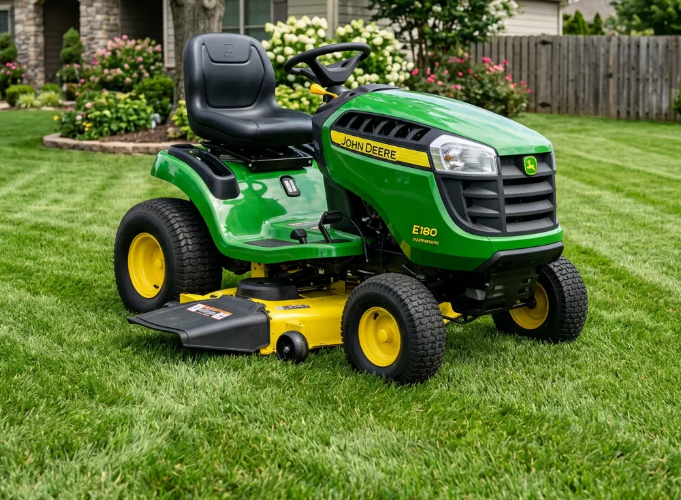
How to Choose the Best Used Riding Lawn Mower (5 Popular Brands Compared)
The best used riding lawn mower is the one that matches your property, fits your storage space, and has a sound engine, transmission, deck, and frame. Brand matters, but the condition of the individual mower matters more than the badge on the hood.
For most homeowners, start by comparing deck size, transmission type, engine condition, operating hours, maintenance history, and local parts availability. John Deere, Toro, Cub Cadet, Husqvarna, and Troy-Bilt all offer used models worth considering, but each brand includes different mower types and equipment levels.
Compare These Five Used Riding Mower Brands
The table below provides a starting point for comparing common residential models. Exact specifications vary by model year and product line. Always verify the model number before buying.
| Brand | Deck sizes commonly found | Transmission types | Engine options | Typical used price range |
|---|---|---|---|---|
| John Deere | Often 42–54 inches on residential lawn tractors | Hydrostatic is common. Some older models use gear-drive transmissions | Single- or twin-cylinder gasoline engines, depending on model | Broad range. Condition, hours, model series, and local demand have a major effect |
| Toro | Varies by residential and heavier-duty model | Hydrostatic is common on riding models | Single- or twin-cylinder gasoline engines, depending on model | Broad range. Residential and heavier-duty Toro models should be compared separately |
| Cub Cadet | Commonly 42–54 inches, with other sizes available | Hydrostatic is common. Some models use other drive systems | Single- or twin-cylinder gasoline engines | Broad range. Deck construction, engine, hours, and condition drive the price |
| Husqvarna | Commonly 42, 48, and 54 inches on lawn tractors | Hydrostatic is common | Single- or twin-cylinder gasoline engines, depending on model | Broad range. Model series and deck condition can create large price differences |
| Troy-Bilt | Smaller riders and lawn tractors commonly range from compact decks to larger residential sizes | Manual, CVT, or hydrostatic depending on model | Single- or twin-cylinder gasoline engines | Broad range. Compact riders and full-size tractors are priced differently |
Typical used prices vary widely depending on condition, hours, maintenance history, model year, deck size, engine, region, and current demand. Compare similar models instead of comparing brand names alone.
For current product-line references, review the residential mower pages from John Deere, Cub Cadet, Husqvarna, and Troy-Bilt. These pages can help identify model numbers and original equipment features when evaluating a used listing.
Choose the Right Deck Size for Your Yard
Deck size affects mowing speed, maneuverability, storage, and access through gates.
Smaller decks for obstacles and narrow access
A deck around 30 to 42 inches can be practical for:
- Smaller residential lawns
- Narrow gates
- Landscaped yards with trees and garden beds
- Properties with tight turns
- Owners who need a more compact mower
A larger deck will not help if it cannot fit through the gate or maneuver around the property. Measure gates, shed doors, and trailer ramps before shopping.
Mid-size decks for general residential mowing
Decks around 42 to 48 inches are common choices for homeowners who want a balance of coverage and control. This range is often suitable for open lawn areas with some trees, landscaping, or moderate slopes.
Larger decks for open properties
Decks around 48 to 54 inches can reduce mowing time on larger, open lawns. They need more storage room and may be difficult to use in narrow areas. A wide deck can also be less practical on uneven ground if the mower is not designed for that type of property.
Do not choose the largest deck available simply because it can cover more grass per pass. Choose the largest deck that fits your property layout and storage area.
Decide Between Hydrostatic and Manual Transmission
Hydrostatic transmission
Hydrostatic transmissions use a pedal or lever to control speed and direction. They are common on residential riding mowers because they provide smooth speed changes and make frequent turns easier.
When inspecting a used hydrostatic mower:
- Test forward and reverse
- Check for delayed engagement
- Listen for whining, grinding, or clunking
- Confirm that the mower maintains speed under load
- Test the drive on a gentle slope when safe
- Watch for jerking or loss of power
A hydrostatic transmission that hesitates, slips, or becomes unusually noisy may need expensive repairs.
Manual or gear-drive transmission
Manual transmissions use gears and a clutch or similar control. They can be suitable for buyers who prefer a more mechanical setup and do not mind shifting.
Check that:
- Gears engage without grinding
- The clutch works smoothly
- The mower does not jump when starting
- The transmission does not slip under load
- The controls are not bent or excessively loose
The transmission type is less important than the condition of the specific mower. A well-maintained manual mower can be a better purchase than a neglected hydrostatic model.
Compare Engine Condition, Not Just Engine Size
A used mower does not need the largest engine to be a good buy. Engine condition, maintenance, and how the mower was used are more useful indicators.
Ask the seller to demonstrate a cold start. A mower that has already been warmed up may hide starting problems.
Check for:
- Difficult starting
- Blue, white, or heavy black smoke
- Knocking or unusual tapping
- Oil leaks
- Fuel leaks
- Excessive vibration
- Dirty or burnt-smelling oil
- Missing air filters or loose engine covers
A clean engine does not prove that a mower was maintained, but heavy oil residue, damaged wiring, or several fluid leaks should lead to more questions.
Engine brands and configurations vary by model. Look for the complete engine information on the mower and compare the exact model number when researching parts or service requirements.
Use Hours as One Part of the Decision
Operating hours help estimate use, but hours alone do not determine value. A mower with higher hours and documented maintenance may be a better purchase than a low-hour mower that was stored outdoors and rarely serviced.
Ask for:
- Oil change records
- Filter replacement records
- Blade and belt replacement information
- Receipts for transmission or engine work
- Storage details
- The type of property where the mower was used
Also check the hour meter itself. A broken or recently replaced meter does not automatically mean the seller is being dishonest, but it means the meter should not be treated as complete evidence of total use.
What to Inspect Before Buying
Inspect every used riding mower in daylight. Bring a flashlight and allow enough time to look underneath the deck.
Deck and blades
Look for:
- Rust holes
- Cracks
- Bent metal
- Weld repairs
- Damaged discharge chutes
- Loose spindles
- Frayed or cracked belts
- Blades that wobble or bind
Surface rust may be manageable. A deck with structural rust, large cracks, or repeated repairs can be costly to replace.
Frame, steering, and tires
Check the frame for bent members, broken welds, and impact damage. Turn the steering wheel and look for excessive play. Inspect the front axle, tie rods, wheels, and tires.
Dry-rotted tires add cost and can indicate that the mower spent long periods outdoors. Uneven tire wear may point to alignment or steering problems.
Controls and safety equipment
Test the parking brake, brake pedal, throttle, choke, blade engagement, seat switch, and other safety controls. Do not buy a mower with obvious safety systems that have been bypassed or tampered with.
Test Drive the Mower Before Paying
A test drive should include more than moving the mower a few feet.
- Start the mower from cold.
- Let it idle and listen for unusual sounds.
- Engage the cutting deck.
- Drive forward at low and moderate speed.
- Test reverse.
- Make several turns in both directions.
- Test the brakes and parking brake.
- Drive over a smooth area and watch for vibration.
- If appropriate and safe, test a gentle slope.
- Shut the mower down and check for new leaks.
The mower should respond predictably. Hesitation, smoke under load, severe vibration, or transmission noise should affect the price or end the transaction.
How the Five Brands Compare for Used Buyers
John Deere
John Deere has a broad residential lawn tractor lineup and is common in the used market. Buyers can find compact lawn tractors as well as larger residential models.
Look for a complete maintenance history, a sound deck, and smooth transmission operation. A familiar brand name does not eliminate the need to inspect the specific mower.
Toro
Toro offers different equipment levels, so identify whether the used mower is a residential model or a heavier-duty machine. Compare the frame, deck, and transmission carefully.
A Toro mower may be a practical choice for buyers who prioritize sturdy construction, but the exact model and previous workload matter.
Cub Cadet
Cub Cadet offers many residential riding mower configurations, including compact riders and larger lawn tractors. The brand is useful to compare when deck size, comfort, and features are important.
Inspect the transaxle, frame, deck, and steering components. Do not assume that a newer-looking mower has received better maintenance.
Husqvarna
Husqvarna riding mowers are commonly available with residential deck sizes and hydrostatic transmissions. Their model range includes compact options and larger lawn tractors.
Pay close attention to deck rust, belt condition, steering play, and hydrostatic performance. A clean, well-maintained mower can be a strong candidate regardless of its age.
Troy-Bilt
Troy-Bilt is often considered when buyers want a lower-cost residential mower or compact rider. The lineup includes different mower sizes and drive systems, so compare the exact model rather than the brand alone.
Condition is especially important when considering an older or heavily used unit. Check the transmission, frame, deck, and parts availability before making an offer.
Private Seller or Dealer?
Private sellers may offer more local options and lower asking prices, but inspection and transaction decisions are your responsibility. Ask direct questions and arrange a test drive before paying.
Dealers may provide clearer equipment information, service options, or additional purchase terms, but prices and available support vary. Confirm what is included before assuming a used mower comes with a warranty or service agreement.
In either case, compare the mower’s condition with similar riding lawn mowers for sale. A documented service history and sound mechanical condition are more important than a polished listing description.
Consider the Buying Season
Mid-September can be a useful time to compare used riding lawn mowers in many northern markets. Some sellers may be more willing to discuss price as the mowing season ends and storage becomes a concern.
Seasonality is regional. Southern states and warm-weather markets may have year-round demand because mowing can continue through much of the winter. Compare local listings and inspect the mower carefully regardless of the month.
When the deck size, transmission, engine, hours, and condition fit your property, browse used riding mowers on LawnMowerClassifieds.com to compare available equipment from private sellers and dealers.