Buying Used Mowers
How Many Hours Is Too Many on a Used Zero-Turn Mower?
For many used zero-turn mowers, roughly 1,000 to 1,500 hours represents substantial use. That does not automatically make a mower a bad purchase. A homeowner-grade machine may be high-hour well before that range, while a well-maintained commercial mower may still be usable at those hours. Maintenance history, engine type, commercial or residential use, deck condition, hydrostatic drive condition, and overall care matter as much as the hour meter.
How Many Hours Is Too Many on a Used Zero-Turn Mower?
For many used zero-turn mowers, roughly 1,000 to 1,500 hours represents substantial use. That does not automatically make a mower a bad purchase. A homeowner-grade machine may be high-hour well before that range, while a well-maintained commercial mower may still be usable at those hours. Maintenance history, engine type, commercial or residential use, deck condition, hydrostatic drive condition, and overall care matter as much as the hour meter.
There Is No Single Hour Limit
Zero-turn mower hours are useful, but they are not a complete condition report.
A mower with fewer hours may have been stored outside, operated without regular service, or used on rough ground. A mower with more hours may have documented oil changes, replacement spindles, serviced hydros, and a stronger commercial frame.
Use the hour meter as a starting point. Then compare the hours with:
- The mower’s age
- Residential or commercial design
- Engine type
- Maintenance records
- Deck and spindle condition
- Hydrostatic drive performance
- Wear on the seat, controls, tires, belts, and frame
For many buyers, the right question is not “How many hours is too many?” It is “What work has already been completed, and what work is likely next?”
Residential And Commercial Hours Are Different
Residential and commercial zero-turn mowers can show similar hour counts while having very different levels of wear.
A homeowner may use a residential zero-turn for a few dozen hours each season. On that type of machine, 500 hours can represent significant use. At 1,000 hours, major components may need attention depending on the model, storage, service history, and operating conditions.
Commercial zero-turn mowers are built for more frequent use. A commercial machine with 1,000 to 1,500 hours may have useful service remaining if it has been maintained correctly. The same hour count on a lighter residential mower deserves a closer inspection.
The hour meter also needs to be compared with the mower’s age. A low-hour machine that is many years old may have spent long periods unused. That can create problems with fuel systems, belts, tires, seals, and battery condition. A newer machine with unusually high hours may have been used by a lawn care business and may show more wear than the hour meter suggests.
A homeowner moving up from a riding mower can compare available equipment through used riding mowers, but the same inspection principles apply to both categories.
Gas And Diesel Hours Need Different Context
Gas and diesel engines should not be judged by the same hour expectations.
A gas-powered residential mower with high hours may need engine work, carburetor service, cooling-system cleaning, or other repairs. A commercial gas mower may be designed for heavier use, but its engine, hydro system, deck, and controls still accumulate wear.
A diesel zero-turn may remain serviceable at higher engine hours than some gas machines, especially when it has received consistent service. That does not mean the mower is low-risk. The engine may still run well while the hydro pumps, wheel motors, deck, spindles, wiring, and suspension components require replacement or repair.
Ask whether the hour meter reflects the original engine and mower. If the engine or hydro components were replaced, request invoices and installation details. A high-hour frame with recently replaced major components may be a better purchase than a low-hour mower with unknown service history.
What High Hours Can Cost You
High hours matter because several repair categories can become more likely at the same time.
Hydrostatic Drive Components
Test the mower from a cold start. The drive system should respond smoothly in both directions. Watch for weak movement, surging, noise, delayed engagement, or one side moving differently from the other.
Hydro pumps and wheel motors can be expensive to replace. A mower that runs well during a short driveway test may still show problems after the hydraulic system warms up.
Spindles, Blades, And Belts
Listen for grinding, rattling, or uneven noise from the deck. Spin the blades or spindles only with the engine off, the key removed, and the deck safely disengaged. Excessive play or rough movement can indicate worn bearings.
Inspect the belts for cracking, fraying, glazing, or poor tension. New blades and belts are normal maintenance items. Repeated spindle failures or damaged pulleys point to a larger maintenance issue.
Deck Wear
Look underneath the deck for rust-through, cracks, bent metal, impact marks, and previous weld repairs. A deck can remain functional while becoming expensive to maintain.
Deck damage also affects cutting performance. A mower with a strong engine but a badly damaged deck may not be a practical bargain.
Ask For Records Before Making An Offer
Maintenance records are more valuable than a seller’s estimate of remaining life.
Request documentation for:
- Engine oil and filter changes
- Air and fuel filter replacements
- Hydro fluid and filter service
- Belt and spindle replacements
- Engine, transmission, or wheel motor repairs
- Deck repairs and welding
- Battery replacement
- Seasonal storage or winterization
Ask how the mower was used. Important questions include:
- Was it used on residential properties or commercial routes?
- How many hours were added each season?
- Was it stored indoors?
- Has the hour meter ever been replaced?
- Were the engine, hydros, or deck replaced?
- What repairs are needed now?
- Can the mower be started cold and tested under load?
Compare the stated hours with physical wear. A badly worn seat, loose control levers, polished foot platform, damaged deck edges, and heavily worn tires may not match a low-hour claim.
Inspect A High-Hour Mower Before Buying
A high-hour mower should receive a complete operating inspection.
Check the following:
- Cold start behavior
- Smoke, oil leaks, and unusual engine noise
- Smooth throttle response
- Charging system and battery condition
- Steering and control lever alignment
- Forward and reverse drive
- Hydro noise after warm-up
- Deck engagement
- Blade vibration
- Spindle noise and play
- Frame cracks and weld repairs
- Deck rust and impact damage
- Tire wear and wheel bearings
- Seat, safety switches, and parking brake
If possible, mow a section of grass rather than relying on an idle test. Cutting under load can reveal overheating, belt slip, weak hydro performance, vibration, or uneven deck operation.
Use browse all mower listings to compare similar equipment by type, condition, age, and stated hours before deciding what a particular machine is worth.
When High Hours Should Be A Pass
High hours should usually be a pass when the mower has several major risk factors at once.
Be cautious if:
- The seller cannot explain the maintenance history
- The hour meter does not match the physical wear
- The hydro system is weak or noisy
- The deck has structural rust or multiple weld repairs
- The engine smokes, overheats, or leaks
- Replacement parts are difficult to source
- Several expensive repairs are already needed
- The asking price is close to a lower-hour comparable mower
High hours can be acceptable when the price reflects the condition and the records show consistent service. They are harder to justify when the seller prices the machine as if it has low or average use.
How Hours Should Affect Price
Hours should reduce the amount you are willing to pay, but they should not determine the price by themselves.
Compare the mower with similar listings and account for:
- Overall condition
- Commercial or residential construction
- Engine type
- Tire and deck condition
- Recent component replacements
- Included accessories
- Local demand
- Expected repair costs
Estimate the likely near-term work before making an offer. A mower may look inexpensive until it needs hydro repairs, spindle work, belts, tires, and a battery.
If selling a high-hour mower, describe the hours accurately and list completed repairs. A clear listing with service records gives buyers better information. Sellers can list a mower for sale when the equipment is ready for a new owner.
For the final decision, prioritize documented maintenance and current mechanical condition over a single number on the meter. Browse used zero-turn mowers for sale on LawnMowerClassifieds.com and compare hours with the mower’s design, condition, and service history.
SEO Details
- Category: Ownership and Maintenance
- Primary Keyword: how many hours is too many on a zero-turn mower
- Secondary Keywords: used zero turn mowers for sale, used zero turn mowers, commercial zero turn mowers, zero turn mower hours, used commercial mowers
- Search Intent: Informational. Buyers want to evaluate hours before making an offer on a used zero-turn mower.
- Target Audience: Used zero-turn buyers, homeowners moving to a zero-turn, lawn care professionals, and mower flippers.
- Slug: /blog/how-many-hours-too-many-used-zero-turn-mower
- Excerpt: Learn how to judge zero-turn mower hours by mower type, engine, maintenance history, hydro condition, deck wear, and likely repair costs.
- SEO Title: How Many Hours Is Too Many on a Used Zero-Turn Mower?
- Meta Description: Learn when zero-turn mower hours become a concern and how maintenance, mower type, engine, deck, hydros, and price affect the buying decision.
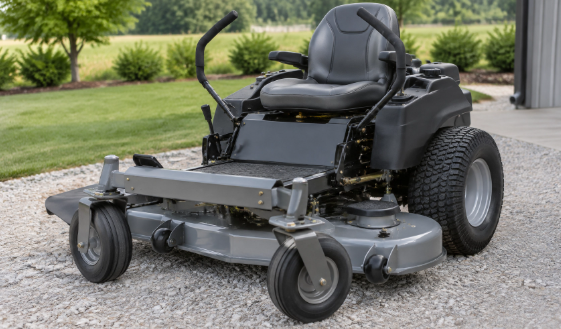
- Featured Image Idea: A clean, realistic commercial photo of a used zero-turn mower parked on a maintained lawn with visible mechanical detail and no prominent manufacturer branding.
- Featured Image Alt Text: Used zero-turn mower parked on a maintained lawn for inspection